
Introduction
Tanning beds may look simple on the outside, but once they’re switched on, they rely on powerful lamps, cooling fans, and electrical systems working together at the same time. Because of that, many people naturally ask the same question: how much power does a tanning bed use?
Whether you’re planning to use a tanning bed at home, thinking about buying one, or running a tanning salon, understanding electricity usage is important. It helps you estimate running costs, avoid surprises on your power bill, and choose the right type of tanning bed for your needs. In this guide, we’ll break down tanning bed power consumption in clear, easy language—without technical confusion—so you know exactly what to expect.
Table of Contents
- How Much Power Does a Tanning Bed Use?
- Average Electricity Consumption of a Tanning Bed
- What Determines Tanning Bed Power Usage?
- How Much Electricity Does a Tanning Bed Use Per Session?
- Monthly Power Consumption of a Tanning Bed
- Home Tanning Bed vs Commercial Tanning Bed
- Are Newer Tanning Beds More Energy Efficient?
- Does a Tanning Bed Use More Power Than Other Appliances?
- How to Reduce Tanning Bed Energy Usage
- Is Tanning Bed Power Consumption Worth It?
- Frequently Asked Questions
- Final Thoughts
How Much Power Does a Tanning Bed Use?
On average, a tanning bed uses between 1.5 kW and 7 kW of electricity while it is running. The exact amount depends on the type of tanning bed, the number of lamps, and how powerful those lamps are.
Smaller home tanning beds usually stay on the lower end of this range, while commercial salon beds use more power to deliver faster tanning results.
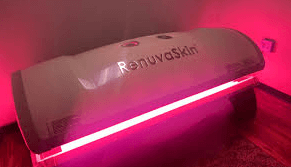
Average Electricity Consumption of a Tanning Bed
The average electricity consumption of a tanning bed depends on several practical factors, but in simple terms, most tanning beds use between 1.5 kilowatts (kW) and 7 kilowatts (kW) while they are running. This range exists because not all tanning beds are built the same. A small home tanning bed designed for occasional personal use consumes far less power than a high-performance commercial bed found in a professional tanning salon.
For home tanning beds, electricity usage usually stays on the lower end. These beds often operate between 1.5 and 3 kW, making them comparable to appliances like a microwave or a portable space heater. Because home users typically tan only a few times per week and sessions last 10 to 20 minutes, the total electricity consumption remains relatively low. In many cases, the added cost on a monthly electricity bill is barely noticeable.
Commercial tanning beds, however, consume significantly more electricity. Salon-grade beds are built to deliver faster and more intense tanning results, which require stronger lamps, advanced ballasts, facial tanners, and multiple cooling fans running at the same time. These beds commonly draw 4 to 7 kW, and some high-pressure models can even exceed that range. While the power draw is high, these beds are designed for short sessions, often under 15 minutes, to balance performance and energy use.
Another important detail is that a tanning bed does not consume electricity continuously like a refrigerator or air conditioner. Instead, it uses how much power a tanning bed use a large amount of power for a short period. For example, a 5 kW tanning bed running for 15 minutes uses far less total energy than a lower-wattage appliance running for several hours. This short operating time is why tanning beds often seem more energy-intensive than they actually are when viewed every month.
Electricity consumption is also influenced by lamp condition and maintenance. Older lamps tend to be less efficient and may require longer session times to How Much Power Does a Tanning Bed Use?achieve the same results, which increases overall energy usage. Proper maintenance—such as replacing lamps on schedule, keeping acrylic shields clean, and ensuring cooling fans work correctly—helps keep electricity consumption closer to the average range.
How Much Power Does a Tanning Bed Use?In summary, the average electricity consumption of a tanning bed varies widely, but for most users, it falls within a predictable and manageable range. Home tanning beds consume modest amounts of power, while commercial beds use more electricity to deliver faster results. Understanding these averages helps users and salon owners better estimate energy costs and use tanning equipment more efficiently.
Home Tanning Beds
- Power usage: 1.5–3 kW
- Designed for personal use
- Lower overall electricity cost
Commercial Tanning Beds
- Power usage: 4–7 kW
- Built for short, intense sessions
- Higher energy demand
Because tanning beds run for a limited time, their total energy use is often lower than people expect.
What Determines Tanning Bed Power Usage?
Bed Size and Design
How Much Power Does a Tanning Bed Use?Larger tanning beds require more lamps and stronger electrical components, which increases power consumption.
Number of Lamps and Wattage
Most tanning lamps use 80 to 200 watts each. A bed with 40 lamps rated at 100 watts will use around 4,000 watts (4 kW).
Extra Features
Power usage also includes:
- Cooling fans
- Facial tanning lamps
- Digital control panels
How Much Power Does a Tanning Bed Use? All of these features add to the total electricity load.
How Much Electricity Does a Tanning Bed Use Per Session?
How Much Power Does a Tanning Bed Use?When people ask about the electricity a tanning bed uses per session, they’re usually trying to understand two things at once: how much power is being consumed and what that actually means in real life. The good news is that even though tanning beds use a high amount of power while running, they are only switched on for a short period of time, which keeps overall electricity usage per session fairly reasonable.
On average, a single tanning session lasts between 10 and 20 minutes, depending on the bed type, lamp strength, and the user’s skin type. Most tanning beds fall within a power range of 1.5 kW to 7 kW. To calculate electricity usage per session, the key factor is time. Power consumption is measured in kilowatt-hours (kWh), which means how much electricity is used when a device runs for one hour. Since tanning beds operate for only a fraction of an hour, their per-session energy use stays relatively low.
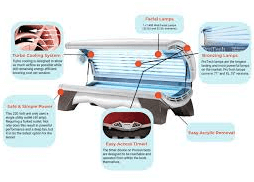
For example, if a tanning bed uses 5 kW and runs for 15 minutes, that’s only 0.25 hours of operation. When you multiply 5 kW by 0.25 hours, the result is 1.25 kWh used in that session. Even a more powerful commercial tanning bed running for a full 20-minute session typically consumes around 1.5 to 2 kWh. In practical terms, that’s similar to running a microwave or electric heater for a short time.
How Much Power Does a Tanning Bed Use?Electricity cost per session also depends on local power rates, but in most areas, How Much Power Does a Tanning Bed Use?a single tanning session costs only a few cents in electricity. This is why tanning beds often seem more expensive than they really are from an energy perspective. The intensity of the lamps and the heat they produce can give the impression of massive power usage, but the short session length balances things out.
It’s also important to remember that not all the electricity goes directly into tanning lamps. Some power is used by cooling fans, control panels, and facial tanning units. These components run at the same time to keep the bed safe and comfortable, slightly increasing total electricity use per session. However, their impact is relatively small compared to the lamps themselves.
How Much Power Does a Tanning Bed Use? Overall, the electricity a tanning bed uses per session is modest when viewed in isolation. The real difference comes from frequency of use. Occasional tanning sessions have little impact on electricity bills, while daily or back-to-back sessions—especially in commercial settings—can significantly increase total monthly energy consumption. Understanding per-session usage helps set realistic expectations and makes it easier to manage energy costs effectively.
Example Calculation
- Bed power: 5 kW
- Session time: 20 minutes (0.33 hours)
5 × 0.33 = 1.65 kWh per sessione
In most areas, this costs only a few cents per session, depending on local electricity rates.
Monthly Power Consumption of a Tanning Bed
Home Use
For personal use:
- 3 sessions per week
- 15 minutes per session
- 3 kW tanning bed
How Much Power Does a Tanning Bed Use?This results in roughly 8–12 kWh per month, which adds very little to a household’s electricity bill.
Salon Use
For tanning salons:
- 10 sessions per day
- 6 kW commercial bed
Monthly consumption can exceed 900 kWh per bed, making electricity one of the main operating costs.
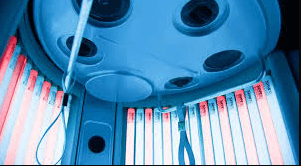
Home Tanning Bed vs Commercial Tanning Bed
| Feature | Home Tanning Bed | Commercial Tanning Bed |
|---|---|---|
| Power Usage | 1.5–3 kW | 4–7 kW |
| Session Time | Longer | Shorter |
| Monthly Cost | Low | High |
| Voltage | 120–240V | 208–240V |
How Much Power Does a Tanning Bed Use?Home beds focus on efficiency, while salon beds focus on speed and performance.
Are Newer Tanning Beds More Energy Efficient?
How Much Power Does a Tanning Bed Use? Newer tanning beds are generally more efficient, even if their wattage is similar to older models.
Modern designs use:
- Improved reflectors
- Better lamp technology
- Shorter, more effective sessions
How Much Power Does a Tanning Bed Use? This reduces wasted energy and can lower total electricity usage over time.
Does a Tanning Bed Use More Power Than Other Appliances?
How Much Power Does a Tanning Bed Use? When people first see a tanning bed, they often assume it must be a massive energy hog, and in some ways, that’s true—but compared to other household appliances, it’s not as shocking as it seems. Most home tanning beds use between 1.5 and 3 kW, while commercial beds can reach 5–7 kW. That’s similar to a central air conditioner or a clothes dryer running at full blast. The big difference is time: a tanning session usually lasts 10–20 minutes, whereas an AC or heater can run for hours. Even a microwave, which uses about 1–1.5 kW, can feel intense when used continuously.
- A central air conditioner
- An electric dryer
- A space heater
How Much Power Does a Tanning Bed Use? The key difference is usage time. Tanning beds operate for minutes, while appliances like air conditioners can run for hours.
How to Reduce Tanning Bed Energy Usage
Choose the Right Bed
How Much Power Does a Tanning Bed Use? When picking a tanning bed, bigger isn’t always better. A home unit that matches your space and tanning goals is usually more efficient and kinder on your electricity bill. Modern, energy-conscious models give great results without overloading your power supply, so think smart rather than just going for size. Avoid oversized commercial tanning beds for home use.
Maintain the Equipment
- Replace lamps regularly
- Clean acrylic panels
- Ensure fans work properly
Well-maintained beds use power more efficiently.
Limit Session Time
How Much Power Does a Tanning Bed Use? Reducing session length by just a few minutes can noticeably lower monthly energy use.
Is Tanning Bed Power Consumption Worth It?
For home users, How Much Power Does a Tanning Bed Use electricity costs are usually very low. For salons, power consumption is a necessary business expense that’s covered through pricing and customer volume. When people hear about the power consumption of a tanning bed, the first reaction is often concern. Words like kilowatts, high wattage, and electricity costs can make it sound far more expensive than it actually is. In reality, whether tanning bed power consumption is worth it depends largely on how often it’s used, where it’s used, and for what purpose. For most individuals, the electricity cost of a tanning bed is surprisingly modest when broken down per session rather than viewed as raw power numbers.
A tanning bed does use a noticeable amount of electricity while it’s running, but the key detail many people overlook is time. How Much Power Does a Tanning Bed Use? Unlike appliances such as air conditioners, heaters, or refrigerators that can run for hours each day, tanning beds typically operate for just 10 to 20 minutes per session. Because of this short usage window, the total energy consumed per session is relatively low. For home users, this often translates to only a few cents per session, which is barely noticeable on a monthly electricity bill. In that context, the power consumption is generally worth it for those who value the convenience of tanning at home.
For salon owners, the calculation is a bit different but still practical. Commercial tanning beds use more power, but they are designed to generate revenue. How Much Power Does a Tanning Bed Use? The electricity cost per session is usually far lower than the price charged to customers, meaning power usage is easily absorbed as part of normal operating expenses. In fact, when compared to other business costs such as rent, staff, maintenance, and lamp replacement, electricity is rarely the biggest financial burden. How Much Power Does a Tanning Bed Use? As long as the beds are used efficiently and maintained properly, the power consumption makes sense from a business standpoint.
How Much Power Does a Tanning Bed Use? Another factor that adds value is efficiency. Modern tanning beds are designed to deliver better results in shorter sessions. How Much Power Does a Tanning Bed Use? This means even if the wattage appears high, the total energy used over time can be lower than older models that required longer exposure. When you factor in improved performance, reduced session times, and better control systems, the energy used often feels justified.
Ultimately, the power consumption of tanning beds is worth it for most users when expectations are realistic. How Much Power Does a Tanning Bed Use? For occasional home use, the cost is minimal. For salons, it’s a predictable and manageable expense tied directly to income. The key is responsible use—avoiding unnecessarily long sessions, keeping equipment well-maintained, and choosing the right type of tanning bed for your needs. When those factors are in place, the power
Tanning beds use high power for short periods, which keeps per-session costs manageable.
Frequently Asked Questions
How many watts does a tanning bed use?
Most tanning beds use 1,500 to 7,000 watts, depending on size and type.
Can a tanning bed run on normal household power?
Many home tanning beds can, but commercial beds often require higher voltage connections.
Is tanning expensive in terms of electricity?
No, one tanning session usually costs only a few cents in electricity.
Final Thoughts
So, how much power does a tanning bed use?
Typically between 1.5 and 7 kW, depending on the model and usage.
With proper maintenance and sensible session times, tanning beds are not major energy drains—especially for personal use. Knowing the power requirements helps you plan better, control costs, and choose the right tanning bed with confidence.
FAQs About Tanning Bed Power Usage
1. How much electricity does a home tanning bed use per month?
For a typical home tanning bed, used 2–3 times per week for 15–20 minutes, the monthly electricity usage is usually around 9–12 kWh, costing roughly $1.50–$3 depending on local rates.
2. Are salon tanning beds more expensive to run?
Yes. Commercial tanning beds use more power (4–7 kW) and often run multiple sessions a day. Monthly electricity costs can range from $100 to $200 or more per bed.
3. Do newer tanning beds save energy?
Newer beds are often more efficient in terms of tanning results per minute, but their wattage may not be much lower. Better reflectors and lamp technology reduce wasted energy.
4. Can I reduce tanning bed power usage?
Absolutely. You can:
- Limit session length slightly
- Maintain lamps and filters
- Choose the right-sized bed for your needs
5. Is a tanning bed more power-hungry than an air conditioner?
A tanning bed uses a similar wattage (3–5 kW) as a central AC, but only for minutes instead of hours, so your AC is usually the bigger energy drain.